Apple Music vs Spotify: Which Pays More?
Apple Music vs Spotify: Which Pays More?
Introduction
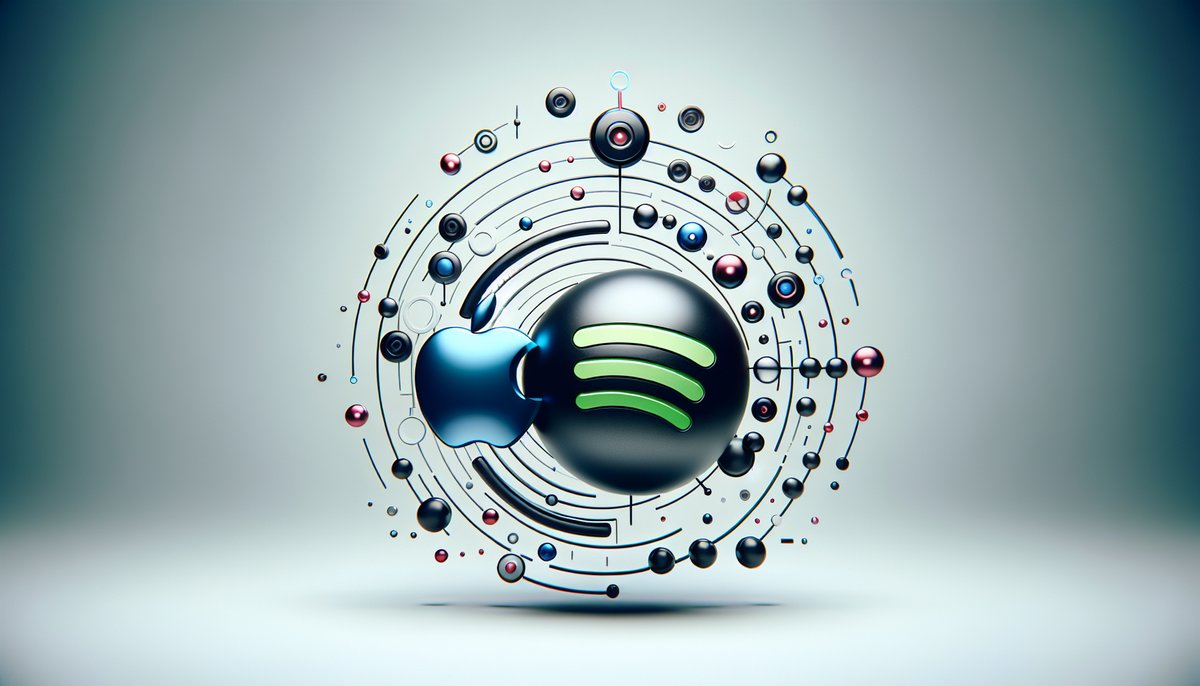
In the rapidly changing world of digital music streaming, artists are constantly assessing platforms to determine where their talent can reap the most financial rewards. Apple Music and Spotify, two giants in this field, often dominate these discussions. Both platforms boast vast user bases and extensive music libraries, but the burning question remains: which streaming service pays more? Let's dive into the details of both services to uncover the truth behind artist payouts and help musicians make informed decisions about where to distribute their work.
The Music Streaming Industry Landscape
An Overview of Streaming Services
The music streaming industry has transformed the way people listen to music. With the decline of physical album sales and digital downloads, streaming services have become the main revenue stream for artists. Apple Music and Spotify are titans in this arena, each with unique offerings and loyal user bases.
Apple Music
Launched in 2015, Apple Music quickly gained traction, thanks to its seamless integration with Apple's ecosystem. The platform boasts a robust library of over 90 million songs and exclusive content, including artist interviews and curated playlists. Its focus on high-fidelity audio and exclusive releases has made it a favorite among audiophiles and artists alike.
Spotify
Spotify, on the other hand, pioneered the freemium model when it launched in 2008. With over 550 million users, including 220 million premium subscribers as of 2023, Spotify’s strength lies in its expansive reach and innovative features like Discover Weekly, which cleverly uses algorithms to curate personalized playlists.
The Importance of Monetization for Artists
For artists, choosing the right streaming platform is crucial not only for exposure but also for financial sustainability. Since revenue from streaming is often distributed based on complex algorithms and licensing agreements, understanding how payouts work on different platforms is essential for maximizing earnings.
How Artist Payments Work
Revenue Models: Apple Music vs. Spotify
Apple Music's Revenue Distribution
Apple Music operates on a subscription-only model, meaning all users pay a monthly fee. This structure allows Apple to distribute a higher percentage of its revenue to artists compared to ad-supported services. Artists typically receive around $0.01 per stream, which is notably higher than many other platforms offer.
Spotify's Dual Model
Spotify’s revenue model includes both a free, ad-supported tier and a premium subscription tier. This dual approach means that payouts to artists can vary widely. Spotify pays between $0.003 and $0.005 per stream, influenced by factors like the listener's country and whether the stream comes from a free or premium account.
Factors Influencing Payouts
Several factors determine how African Artists Earn from Spotify?”>much artists are paid per stream:
- Listener's Location: Payments can vary based on the listener's country, due to differences in subscription prices and ad revenue.
- Platform's Revenue: The total revenue from subscriptions and ads impacts the amount available for artist payouts.
- Market Share: The platform’s market share and user base size can affect payout scales.
- Licensing Agreements: Each platform has its own licensing agreements with record labels, influencing artist payouts.
Comparing Apple Music and Spotify Payouts
The Economics of Streaming Payouts
Apple Music's Approach
Apple Music's compensation model is straightforward. By paying a set rate per stream, artists have a clearer sense of their potential earnings. This transparency is appealing to many musicians, especially independent artists without major label backing.
Spotify's Complexity
Spotify’s payout structure is more intricate due to its dual model. Revenue is split between record labels, publishers, and other rights holders before reaching the artist. This complexity can make it challenging for artists to predict their earnings with certainty.
Case Studies: Artists' Earnings on Both Platforms
Independent Artists
Many independent artists report higher earnings per stream on Apple Music than on Spotify. This is largely because of Apple Music's higher per-stream payout and the absence of a free tier, which can dilute earnings on Spotify.
Major Label Artists
Artists signed to major labels may see less disparity between the two platforms. Major labels often negotiate favorable licensing terms, which can lead to comparable payouts from both Apple Music and Spotify.
The Role of Technology and Innovation
Streaming Quality and User Experience
Apple Music's High-Fidelity Audio
Apple Music has heavily invested in high-fidelity audio experiences, offering lossless and spatial audio to subscribers. This not only enhances the user experience but also attracts a demographic willing to pay for superior sound quality, potentially increasing overall revenue.
Spotify's Algorithmic Playlists
Spotify’s use of algorithms to create personalized playlists has boosted user engagement and retention. Features like Discover Weekly and Release Radar help artists reach new audiences, potentially increasing stream counts and overall earnings.
Impact on Artist Exposure
Apple Music's Editorial Playlists
Apple Music's editorial playlists are curated by human experts, providing artists with a platform for discovery. Being featured on these playlists can significantly boost an artist's exposure and earnings.
Spotify's Global Reach
Spotify’s extensive global reach and localized playlists offer artists opportunities for exposure to international audiences. This can be particularly beneficial for those looking to expand their fan base beyond their home country.
Future Trends and Artist Considerations
The Afrobeats: A Global Phenomenon”>Rise of Direct Artist Support
Both platforms are exploring ways to support artists directly. Apple Music has introduced initiatives like Apple Music for Artists, providing data and insights to help artists understand their audience better. Spotify offers tools like Spotify for Artists, allowing musicians to manage their profiles and track performance metrics.
Evolving Business Models
As the streaming industry continues to evolve, both Apple Music and Spotify are experimenting with new business models. These include offering exclusive content, integrating social features, and exploring new revenue streams like podcasts and live events. Artists must stay informed about these changes to maximize their earning potential.
Conclusion
Deciding between Apple Music and Spotify ultimately depends on an artist's individual goals and circumstances. Apple Music generally offers higher per-stream payouts, benefiting those seeking immediate financial returns. However, Spotify’s larger user base and innovative discovery features can provide significant exposure, potentially leading to long-term growth in listenership and earnings.
Artists must weigh these factors carefully, considering not only the immediate financial implications but also the potential for audience growth and brand development. As the music streaming industry continues to evolve, staying informed about changes and trends will be key to making the most out of these platforms. Whether an artist chooses Apple Music, Spotify, or both, understanding the nuances of each service’s payout structure is essential for achieving sustainable success in the ever-changing world of digital music.