
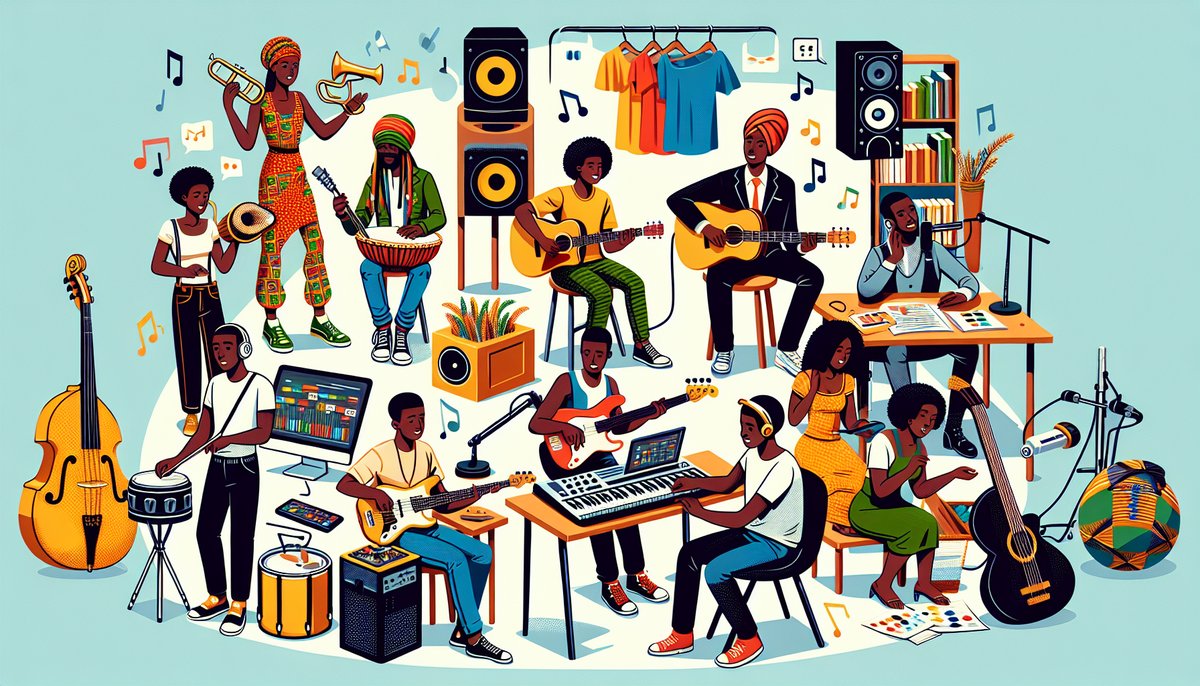
How African Musicians Diversify Income Streams
Beyond Streaming: How African Musicians Diversify Their Income Streams
Introduction
In recent years, African music has burst onto the global stage, captivating audiences with its lively rhythms and diverse sounds. From Afrobeat to Amapiano, these genres haven't just transformed the musical landscape; they've also opened doors for African musicians to achieve international fame. While streaming platforms like Spotify, Apple Music, and Boomplay have been instrumental in spreading African music worldwide, streaming alone often doesn't cut it when it comes to providing substantial income for artists. To counter this, African musicians are getting creative, exploring various ways to monetize their talents beyond streaming. In this article, we'll dive into the innovative strategies these artists are using to diversify their revenue streams, shedding light on the dynamic and entrepreneurial spirit of Africa's music industry.
Live Performances and Tours
The Power of Live Music
Live performances have always been a vital part of a musician's income. For African artists, the stage is a golden platform to connect with fans and earn money. With the rising popularity of music festivals and live shows across the continent and beyond, African musicians have plenty of opportunities to showcase their talents.
Festivals and International Tours
Events like Afropunk, Felabration, and the Cape Town International Jazz Festival attract thousands, offering artists both exposure and financial gain. International tours across Europe, North America, and Asia allow musicians to tap into global markets. Artists like Boy’s 2026 Concert Booking Fees Explained”>Burna Boy, Fee for USA and UK Shows 2026″>Booking Fee for USA and UK Shows 2026″>Wizkid, and Angelique Kidjo have skillfully used international tours to boost their brand and income.
Corporate and Private Events
Beyond public concerts, African musicians frequently get booked for corporate events, private parties, and weddings. These gigs can be particularly lucrative, as companies and individuals are eager to invest in the unique flavor that African music brings to their events.
Merchandise and Branding
Creating a Personal Brand
Merchandising offers another significant revenue stream for African musicians. By leaning into their unique style and brand, artists can create and sell a variety of merchandise, including clothing lines and accessories, that resonate with their fans.
Collaborations with Fashion and Lifestyle Brands
Collaborating with fashion brands has become increasingly common, with artists like Tiwa Savage and Yemi Alade partnering with major fashion houses to launch exclusive collections. These collaborations not only enhance the artist's visibility but also provide a lucrative income source through profit-sharing or endorsement deals.
Online Merchandise Stores
With the surge of e-commerce, many African artists have launched their own online stores, selling branded merchandise directly to fans around the world. This direct-to-consumer model allows musicians to keep a larger slice of the profits while strengthening fan engagement.
Licensing and Sync Deals
Music Licensing for Media
Licensing music for films, TV shows, commercials, and video games is a profitable avenue for African musicians. This strategy not only brings in income but also introduces their music to new audiences. The global success of films like "Black Panther," which prominently featured African music, underscores the potential of licensing as a revenue stream.
Sync Deals and Collaborations
Sync deals, which involve pairing music with visual media, are on the rise. African artists often collaborate with producers and filmmakers to create soundtracks that enhance visual narratives. These deals typically come with significant financial compensation and open doors to further opportunities in the entertainment industry.
Digital Content Creation
Leveraging Social Media Platforms
Social media platforms like Instagram, YouTube, and TikTok have revolutionized how musicians engage with their audience. African artists excel at using these platforms to share content, interact with fans, and promote their music.
Monetization through Content
Platforms like YouTube offer monetization options through ad revenue, while Instagram and TikTok provide avenues for sponsored content and brand partnerships. By creating engaging content that resonates with their followers, musicians can transform their social media presence into a profitable venture.
Online Concerts and Virtual Events
The COVID-19 pandemic accelerated the trend of virtual concerts and events. African musicians have embraced this shift, offering live-streamed performances that reach global audiences. These virtual events can be monetized through ticket sales, sponsorships, and donations, providing artists with another revenue stream.
Music Education and Mentorship
Workshops and Masterclasses
Many African musicians are leveraging their expertise to offer workshops and masterclasses. These educational sessions, conducted either in-person or online, provide aspiring musicians with valuable industry insights while generating income for the instructors.
Mentorship Programs
Beyond formal education, mentorship programs allow seasoned artists to guide emerging talent. These programs often involve personalized coaching sessions, offering mentees tailored advice and support. For mentors, this serves not only as a source of income but also as a way to nurture the next generation of African musicians.
Collaborations with Educational Institutions
Partnerships with universities and music schools offer yet another way for musicians to share their knowledge. By collaborating with educational institutions, artists can participate in curriculum development, guest lectures, and workshops, contributing to the academic and practical training of music students.
Conclusion
As Africa's music industry continues to grow, musicians are demonstrating remarkable ingenuity in diversifying their income streams beyond just streaming. From live performances and merchandise sales to licensing deals and digital content creation, these artists are employing a variety of strategies to sustain their careers and expand their influence. By embracing both traditional and cutting-edge revenue streams, African musicians are not only enriching their financial prospects but also securing their place in the global music landscape. As they continue to inspire and captivate audiences worldwide, the future looks incredibly bright for Africa's vibrant music scene.